
In the ever-evolving landscape of technology, Artificial Intelligence (AI) has emerged as a transformative force, revolutionizing various aspects of our lives. From simplifying mundane tasks to powering complex decision-making processes, AI applications have become ubiquitous, enhancing efficiency, productivity, and convenience. In this comprehensive guide, we delve into some of the best AI apps across different domains, showcasing their capabilities and impact on everyday life.
Personal Assistants
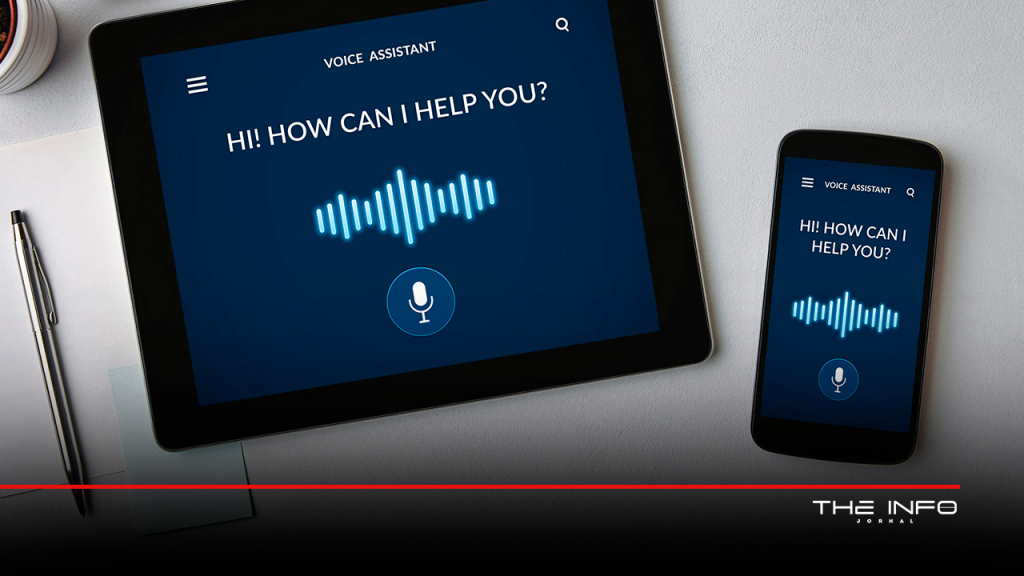
AI-powered personal assistants like Siri, Google Assistant, and Amazon Alexa have become indispensable tools for managing daily tasks, organizing schedules, and accessing information. These virtual assistants leverage natural language processing and machine learning algorithms to understand and respond to user queries, making tasks such as setting reminders, sending messages, and searching the web effortless and intuitive.
Virtual Health Assistants
AI-driven healthcare apps like Babylon Health and Ada Health provide users with personalized medical advice, symptom analysis, and health monitoring. By leveraging vast amounts of medical data and advanced algorithms, these apps can assist users in assessing their health status, identifying potential ailments, and recommending appropriate courses of action, thereby empowering individuals to take proactive control of their well-being.
Language Translation
AI-powered language translation apps such as Google Translate and Microsoft Translator have revolutionized communication across language barriers. These apps utilize neural machine translation techniques to accurately translate text, speech, and even images in real-time, facilitating seamless communication between individuals speaking different languages and enabling cross-cultural exchange on a global scale.
Virtual Tutoring
AI-driven educational apps like Duolingo and Khan Academy offer personalized learning experiences tailored to individual needs and preferences. By analyzing user interactions and performance data, these apps adapt content and learning pathways to optimize comprehension and retention, making learning accessible, engaging, and effective for learners of all ages and backgrounds.
Financial Management
AI-powered financial management apps such as Mint and Personal Capital provide users with personalized budgeting, investment, and financial planning tools. By analyzing spending patterns, investment trends, and financial goals, these apps offer actionable insights and recommendations to help users make informed decisions, optimize their finances, and achieve their long-term financial objectives.
Virtual Stylists
AI-driven fashion and beauty apps like StyleSnap and ModiFace leverage computer vision and machine learning algorithms to offer personalized style recommendations, virtual try-on experiences, and beauty enhancement tools. By analyzing user preferences, facial features, and style trends, these apps empower users to explore and experiment with fashion and beauty choices in a virtual environment, enhancing their shopping experience and confidence.
Productivity and Time Management
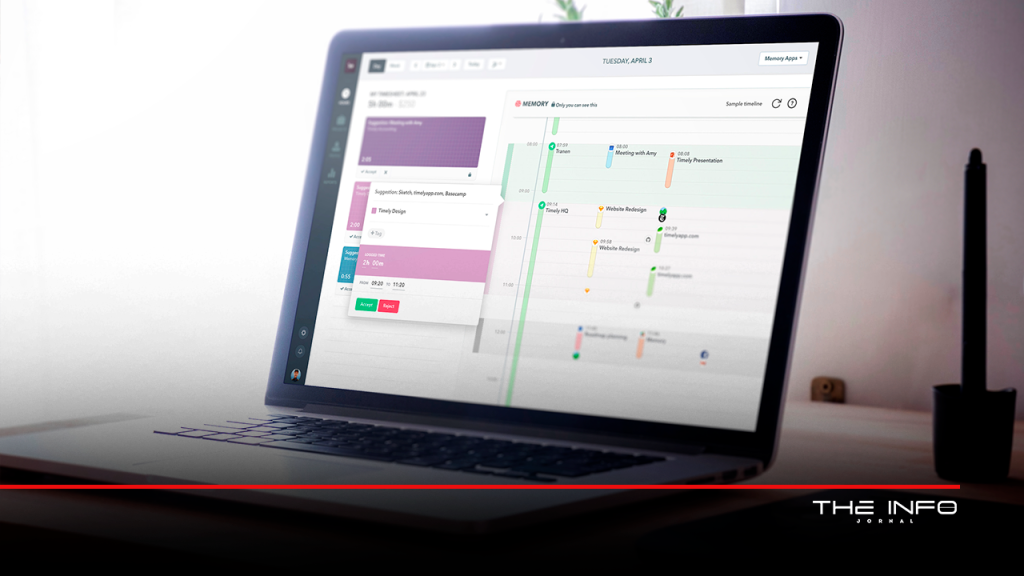
AI-powered productivity apps like Todoist and Trello help users organize tasks, manage projects, and optimize workflow efficiency. By employing AI algorithms to prioritize tasks, allocate resources, and identify bottlenecks, these apps streamline productivity workflows, improve task management, and enhance collaboration among team members.
Conclusion
The proliferation of AI technology has led to the development of a myriad of innovative applications that enrich and simplify our daily lives. From personal assistants and virtual health advisors to language translation tools and virtual stylists, AI apps continue to push the boundaries of what is possible, offering solutions to a diverse range of challenges and opportunities. As AI technology continues to advance and evolve, the future promises even greater integration of intelligent automation and personalized experiences, further transforming the way we live, work, and interact in the digital age.

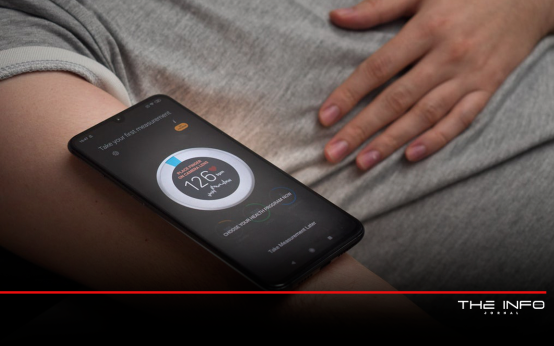 Top Apps to Measure Blood Pressure: Your Comprehensive Guide <p style=' font-weight: normal;font-size: 16px !important; text-align: left;'> Find out which options are really worth considering </p>
 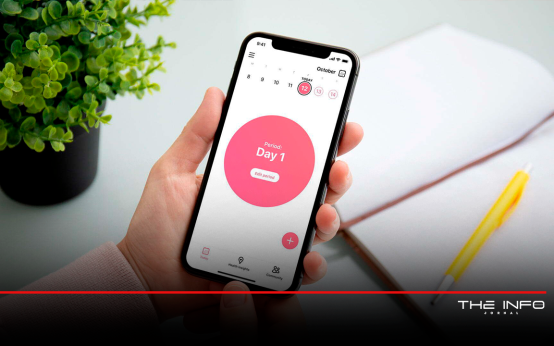 Online Pregnancy Test Apps: A Convenient Guide to Reliable Detection <p style=' font-weight: normal;font-size: 16px !important; text-align: left;'> Find out which are the most reliable options to download today </p>
 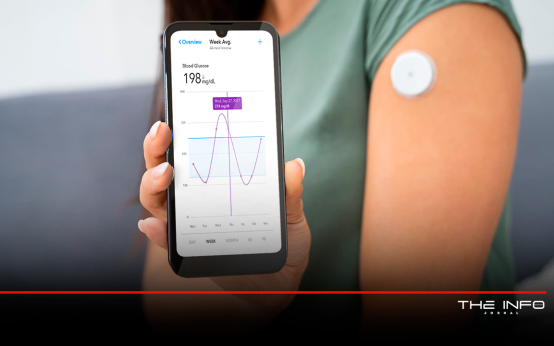 Top 5 Blood Sugar Monitoring Apps <p style=' font-weight: normal;font-size: 16px !important; text-align: left;'> These apps will make your life easier and provide better diabetes management </p>